Electric scooters have become a popular and convenient means of urban travel these days. But riding in the rain and wet roads can be quite difficult and dangerous. Wet surfaces and slippery roads pose major safety risks for riders. People often think that low speeds and basic caution are enough, but in rainy conditions, every small mistake can lead to serious accidents.
But do you know what are the most common mistakes when riding an e-scooter on wet roads and how to avoid them? In this article, we will discuss in detail how you can safely ride an e-scooter on rainy and wet roads. We will also provide preventive measures, safety tips, and riding techniques that will help increase rider safety and confidence.
Understand the Risks of Wet Roads
Riding on rainy and wet roads is completely different than on dry roads. Slippery surfaces and puddles reduce tire grip, increasing the risk of skidding and skidding. Braking distances are longer on wet roads than on dry roads. Sharp turns and sudden acceleration on wet roads can be quite dangerous.
Electrical components and batteries are also sensitive in wet conditions, so proper waterproofing and caution are essential. The rider should understand that the manoeuvrability and speed control of the e-scooter have to be handled slightly differently in rainy and wet conditions. Awareness and anticipation are key factors when riding on wet roads.
Prepare Your E-Scooter for Rain
Preparing your e-scooter for safe riding in the rain is very important.
- Check the tires: The depth and grip of the tires should be suitable for wet conditions. Slippery tires slide easily on slippery surfaces.
- Check the brakes: Braking performance on wet surfaces is very important. Brake pads and disc brakes must function properly.
- Battery and electrical components: Make sure the battery and electrical components are waterproof or properly insulated. Excessive exposure to water may cause a short circuit or malfunction.
- Lights and reflectors: Check the working condition of headlights, taillights, and reflectors in rainy and low-visibility conditions. Increasing visibility is very important to prevent accidents.
Preparation means that you fully prepare the condition of the e-scooter before riding so that riding in wet conditions is safe.
Wear Proper Safety Gear
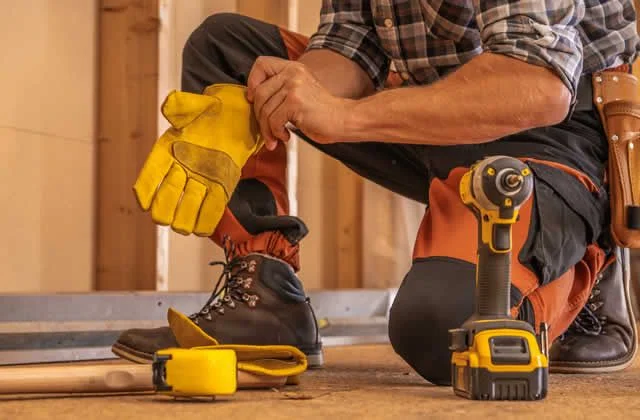
Rain and wet roads make the use of protective gear even more essential, as slippery surfaces and limited visibility increase the risk of accidents. A certified helmet prevents head injuries and maintains the rider’s focus and concentration in rainy conditions. Waterproof jackets and pants enhance comfort and mobility in wet conditions, so that riders stay dry and comfortable. Gloves, preferably waterproof and padded, are essential for hand protection and grip. Footwear should be slip-resistant to maintain foot placement and balance and prevent accidental slips.
Reflective gear improves visibility, especially in rain and low light, allowing drivers and pedestrians to see the rider clearly. Proper gear not only provides protection, but also increases the rider’s confidence and mental focus, which are important factors in preventing accidents in wet conditions. This gear and preparation enhance both the rider’s overall safety and riding experience.
Adjust Your Riding Technique
Riding techniques on rainy and wet roads are completely different from dry conditions. First, reduce the speed and apply acceleration gradually, as sudden movements can cause accidents on slippery surfaces. Smooth braking is very important. Apply the front and rear brakes slowly and in a balanced manner to avoid skidding or skidding. Sharp turns should be avoided. Take turns slowly and pay attention to body lean and weight distribution to maintain balance. Avoid water puddles and oil slicks or pass them at a slow speed, as they increase the risk of hidden potholes and accidents.
Keep a safe distance from vehicles and obstacles to allow for adequate braking and manoeuvring. It is important to ride defensively and maintain a high level of expectations in wet conditions. Proper technique and alertness prevent accidents and protect both the life and safety of the rider.
Be Extra Cautious in Traffic
Traffic hazards in urban areas are further exacerbated during rain and wet conditions.
- Stay visible: Use headlights, taillights, and reflective gear. You must be clearly visible to other drivers and pedestrians.
- Avoid busy roads: Avoid riding in heavy traffic or ride slowly and carefully.
- Signal clearly: Use hand signals or gestures for turns and lane changes.
- Assess vehicle behavior: Cars and bikes can also lose control on wet roads, so anticipate their movements.
- Avoid walking alongside vehicles: Spray and sudden braking from large vehicles in the rain pose a hazard. Maintain a safe distance and side positioning.
Traffic awareness and alert significantly reduce the risk of accidents when riding on wet roads.
Avoid Risky Riding Behaviour
Avoiding risky behaviour on rainy and wet roads is essential for riding safety. Using mobile phones, GPS and music can be distracting and take the rider’s attention away from the road and surroundings, which can lead to accidents. Riding under the influence of alcohol or drugs can be fatal, so it is important for the rider to be alert and vigilant. It is also important to adhere to the recommended load capacity of the e-scooter, as excess weight affects traction and balance.
Avoid riding at night in poorly lit areas to maintain visibility and reaction time. Responsible riding and alert behaviour not only protect the lives of riders but are also important for public safety. Taking a cautious and disciplined approach in wet conditions is the most effective way to prevent accidents.
Maintenance After Rain
E-scooter maintenance is very important after riding in the rain and wet roads. Dry the tires, brakes, and electrical components properly to prevent rust and corrosion. Inspect the brake pads and tires as grip and performance can be affected after a wet ride. Lubricate the chains, bearings, and suspension components to keep moving parts smooth and free from damage. Also check the electrical components and battery to prevent any short circuits or malfunctions due to water exposure.
Regular maintenance prevents accidents and breakdowns and extends the life and performance of your e-scooter. A thorough check-up after wet conditions ensures riding safety and future reliability. Adopting a daily or weekly maintenance routine is part of responsible and safe e-scooter ownership.
Key Points for Safe Rain Riding
- Reduce speed and ride carefully.
- Use smooth braking techniques.
- Avoid sharp turns and sudden acceleration.
- Wear waterproof and reflective protective gear.
- Keep a safe distance from vehicles and obstacles.
- Check tires, brakes, lights, and battery before riding.
- Avoid distractions, alcohol, and overload.
- Be clearly visible in traffic and signal.
- Maintain the scooter after every wet ride.
Conclusion
Riding an e-scooter in the rain and on wet roads can be challenging, but proper preparation, protective gear, an alert attitude, and adopting smooth riding techniques significantly reduce the risk of accidents. Riders should practice slow speeds, defensive riding, and careful turns in wet conditions. Properly checking electrical components and tires, using lights and reflectors, and performing after-ride maintenance prevent accidents and breakdowns.
Responsible and careful riding, maintaining proper following distances, and being more aware of wet roads are essential for both the rider’s life and the safety of the public. Riding with a cautious and prepared approach on wet roads is key to a safe and enjoyable e-scooter experience.