
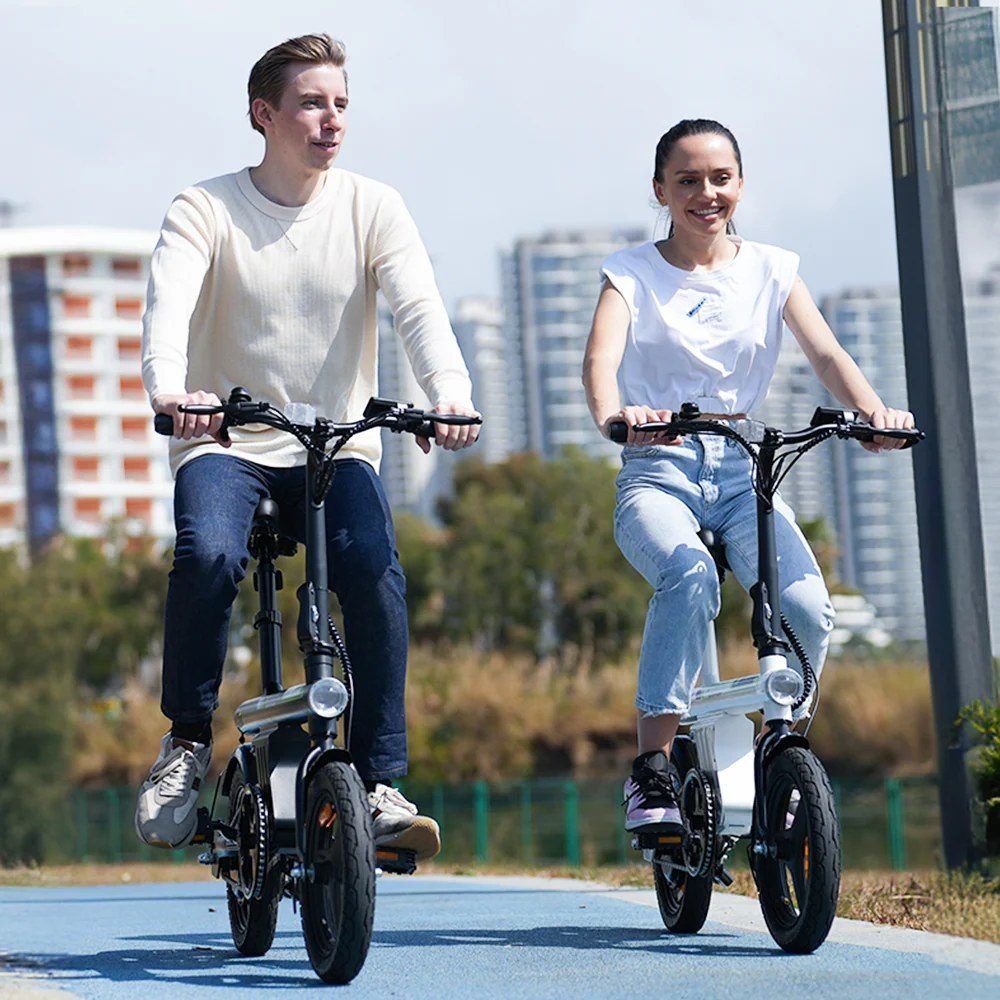
Probably the most interesting DIY project for any technology, mechanic, or environmentalist-conscious person is to build an e-bike by hand. The concept of converting an ordinary bike into a strong electric motorbike appears easy, just pop in a motor, battery and throttle and you are set. Nevertheless, in practice, the construction of an e-bike is not associated with the binding of a couple of wires.
Novices encounter problems that result in poor performance, low battery life or even life-threatening problems. These are some of the mistakes that are common but can be easily avoided when one knows how to prepare and the knowledge. And in the given article, we are going to discuss the top ten mistakes that newcomers make when assembling an e-bike and how you can prevent them from building a trustworthy, efficient, and enjoyable electric bike.
Wrong Motor that was selected to the Bike
The most common error that novice builders commit is the choice of the incorrect type or horsepower of motor. Your e-bike is made up of the motor, which is the core of your bike, and the selection of the motor will depend on your need to ride, the terrain, as well as your budget. It is important to note that many beginners choose a motor that is not powerful enough since it is less expensive and only to find out that it cannot climb steep hills or cover more distance.
On the one hand, there are those who select too powerful a motor that will consume a battery and burden weight. The correct decision needs to be balanced. Hub motors are preferable due to their ease, and mid-drive motors have greater rough terrain torque and efficiency. It is essential to consider motor power and frame strength. Your riding purpose before purchasing it.

Weak or duplicate battery
The great motor will not do without the proper battery. Novices tend to devalue the significance of battery quality and capacity. They either purchase a cheap battery with inadequate voltage, or they do not match the specification of the engine with the battery. The consequence of this mistake is bad range, overheating, and recharging often.
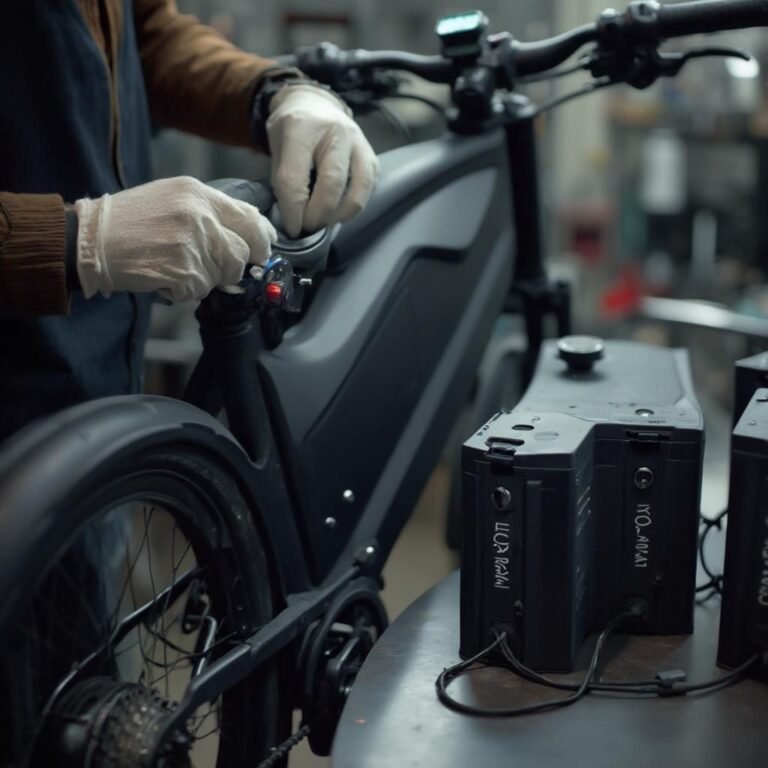
The other is the problem of not taking care of the Battery Management System (BMS) that helps in preventing overcharging and deep discharge of the battery. Operating a battery that lacks BMS will break the cells permanently. To prevent this, select a lithium-ion battery with the same motor voltage as it must have a good BMS to be safe. A good battery will yield stable power, longer battery life and overall improvement in performance.
Disregard of Proper Wiring and Electrical Connections
Many beginners tend to be more interested in mechanical components and hurry the electrical wiring. This can lead to short circulation, overheating, or even fire and this is regarded as one of the riskiest errors that can be made in terms of improper wiring. Connection looseness or improper polarity may also halt your system completely. Novices usually use trial and error rather than follow the wiring diagram that comes with the kit.
This causes confusion particularly when connecting the controller, throttle and sensors. Each wire has its role and even an incorrect connection may destroy a controller or motor. Wiring diagrams must be checked twice, correct connectors should be used, and wires must be made fast so that they do not get tangled or pulled. Before turning on the system, it is also advisable to check the voltage using a multimeter.
Failing to address Controller Compatibility
The controller is the brain of your e-bike which controls the delivery of power by the battery to the motor. One of the popular errors is to buy a controller which does not correspond to the motor or battery characteristics. Novices will purchase any random controllers on the web without looking at the voltage and current ratings. The effect is a wobbly system in which the motor will not work effectively, or the controller will overheat. In other instances, the motor can be destroyed by incompatible controllers. Always make sure that your controller is the same as your motor and battery in terms of voltage, wattage and current limits. Not only will a quality controller increase performance, but it will also increase safety and battery life.
Negligence of the Strength of the Frame and Distribution of weight
The other error for the beginners is ignoring the influence that the extra weight of the motor and battery have on the balance and stability. Electric elements may increase the weight of the bicycle by a few kilograms and when they are not well distributed, then the bicycle is not easy to ride. Most individuals mount the battery either high up on the frame or at the back of the seat leading to a lack of weight balance and control.
The frame should also be powerful enough to support the additional weight. Old or frail bicycle frames may bend or crack when they are under pressure. The most common practice is to fix the battery as low as possible in the center of the bike and make the frame out of a strong material such as steel or reinforced aluminum.
The Forgetting of Braking Power
Electric power makes your bike go faster, although this is one of the things many beginners forget; faster speeds need more powerful brakes. One of the greatest safety errors is the utilization of standard bicycle brakes used in normal peddling. Weak mechanical brakes or rim brakes often malfunction when making emergency stops particularly on steep roads. A disc brake (preferably hydraulic) should be included on an e-bike to cope with increased power and weight. The renovation of brakes is not a matter of indifference, as it endangers your safety as well as general control. Test your braking system before the first ride so that you can ensure it is fast responsive and smooth.

Cheating on Components with Cheap or Low-Quality
Saving money is of course reasonable, however, it is a bad idea to use cheap or low-quality parts, which in most cases may turn out to be more costly in the future. When most novices purchase motor kits or batteries, and dissimilarly, controllers, they usually focus on the cheapest they can find, hoping to save some money. However, unfortunately, the cheap components are prone to failure, they have problems with wiring or become hot when they are used. Batteries may also be damaged by cheap chargers or may be unsafe. Components of quality might be very expensive at first, yet they maintain reliability, performance and safety. Assembling an e-bike is not a waste of money – the choice of authoritative brands and trusted sellers will ensure success and minimal number of subsequent repairs.
Failure to wear Safety Gear and Protection
When dealing with technicalities, novices tend to ignore safety equipment. Assembling a strong e-bike comes with great speeds and a lot of electrical currents. Without a helmet, gloves, or other equipment to protect against accidents, the person might suffer serious injuries during the process of riding without a helmet. Moreover, electric shocks may come due to working on electrical wiring without safety measures, including insulated gloves or disconnecting power supply. In all things put safety first, during assembly as well as riding. It is important to remember that the most well-built e-bike can fail to perform, and as such, it is always necessary to wear protective equipment whenever on a ride.
Missing Before-Riding System Testing
Most constructors get so enthusiastic by completing their e-bike that they immediately use it in a long ride without testing. It is a pitfall that is easy to commit. A gradual test that can be done on the bike includes checking wiring mistakes, braking, or adjustment problems before they arise. Novices usually neglect these tests and end up with inconveniences such as power failure, overheating or faulty throttle during the ride. The solution is to raise the bike on a stand, turn it on and check the motor reaction within low speeds. Check the brakes, the controller should not be rough, or the battery indicator should read properly. You should also only get down to a full road ride after several short tests.
Violation of Legal and Environmental Rules
A lot of first-time builders do not bother to ascertain the legality of their e-bike. Most countries have certain laws concerning the maximum motor power, speed limits and the necessity to be registered or to use helmets. Violation of such laws may lead to a fine or even loss of your bike. Novices also neglect the ecological aspect of the battery disposal. Lithium-ion batteries should be recycled, old or damaged ones should not be thrown in regular trash, as this may cause damage to the environment. Knowing the regulations of local e-bikes is not only a way of staying out of future legal trouble but also a way to make a positive impact on the planet that is a bit cleaner and greener.
Moral of the Story and Take it a Notch up
Each wrong experience can teach a lot. The positive aspect is that most of these beginner mistakes can be avoided by simple research, planning, and patience. Assembling an e-bike is not only a matter of attaching components, but also a matter of seeing how power, balance, and efficiency are made. Manuals should always be read, trustworthy tutorials should be viewed, and specifications should be verified before purchasing components. Online forums or DIY groups are useful, as there are usually experienced builders who provide tips or issues to work around. The more you know before you commence, the better it is to go on with your building.
Maintenance After Building
Maintenance is also important even after you have successfully made your e-bike, to ensure that it is in good condition. Beginners think that once the bike has started running. It will run forever. Conducting regular checkups is important to see that every bolt is tightened and the wires are not loose. Wash your bike after every few rides and about electrical parts to avoid damage to dust. Check monitor health and prevent cheating. When you hear some peculiar sound, vibrations pay attention to it and do not ride anymore. When you maintain your components in a proper way. It will increase their life expectancy and will make your e-bike efficient and safe.

Conclusion
Assembling an e-bike yourself is a real journey that entails invention and sustainability. But most amateurs commit errors that frustrate their dream project. The selection of the improper motor, the incompatibility of batteries, disregard of the wiring safety, or the neglect of brakes may result in performance problems and even accidents. The most important thing is to be prepared, patient and be able to pay attention to detail. Take your time to understand each individual component, invest in quality parts and also never hurry during wiring or testing. Always put the safety first, not only in the building, but also in the riding.
These are some of the most common mistakes that you can prevent with the right knowledge and care and create an e-bike that is powerful, efficient and reliable. In this way, you do not only end up producing a personal vehicle that will save money and emissions but also enjoy some technical skills and confidence. When the world enters the electric mobility phase in 2025, assembling your own e-bike will be more than a hobby — it will be a move to a smarter and more environmentally friendly future.
Pingback: How I Made a Strong Electric Ride Out of My Old Bicycle - ecrazyride.com
Pingback: Best Batteries for DIY Electric Scooters (2025 Comparison)