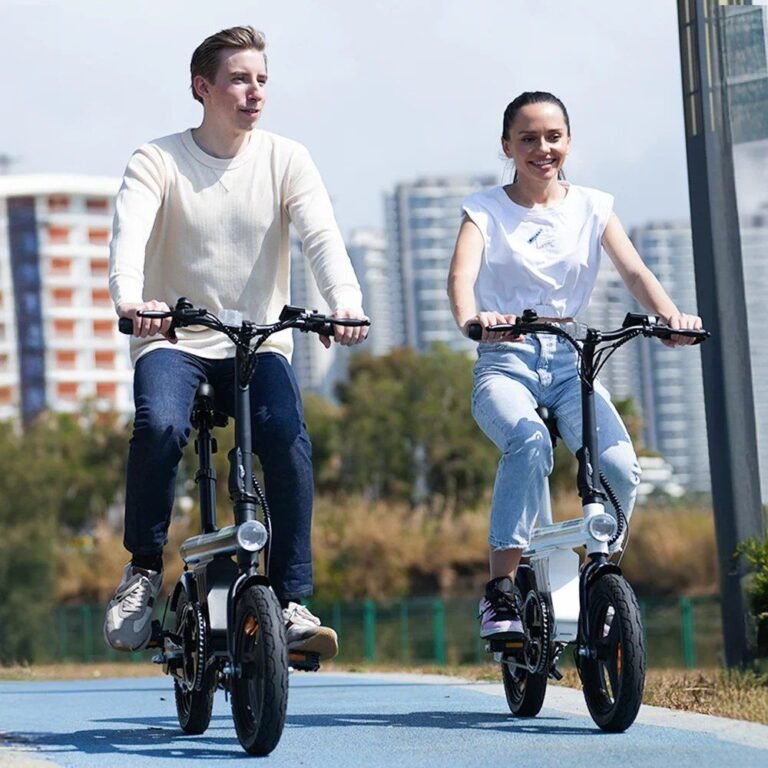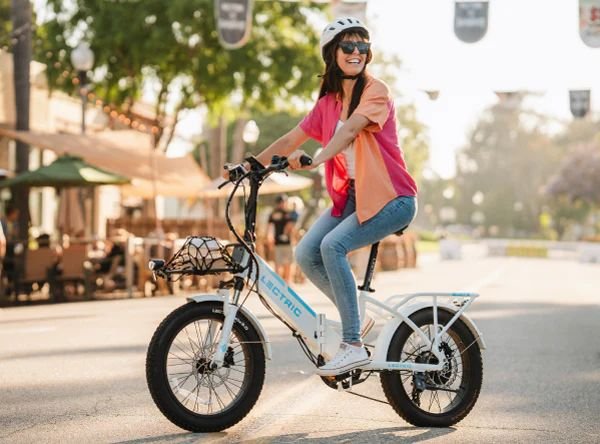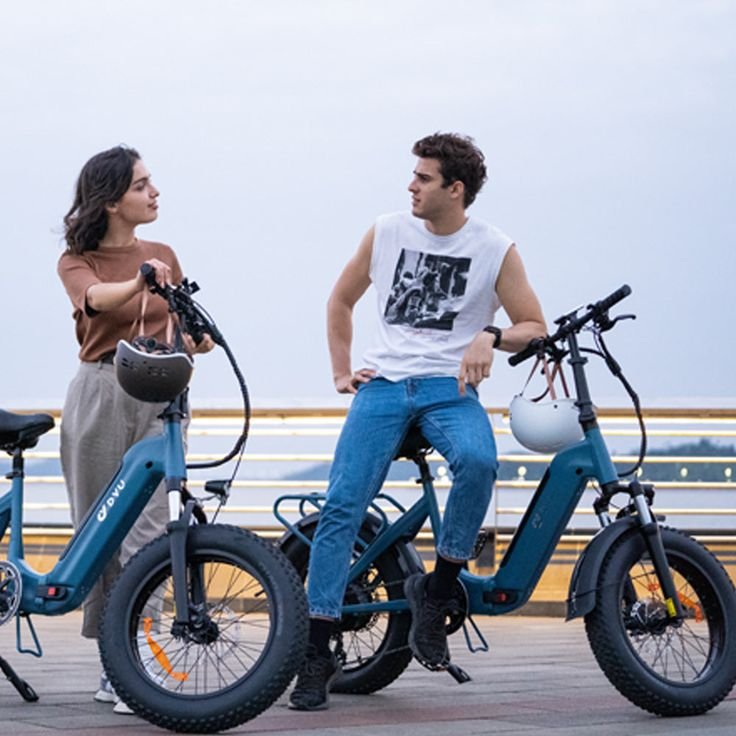
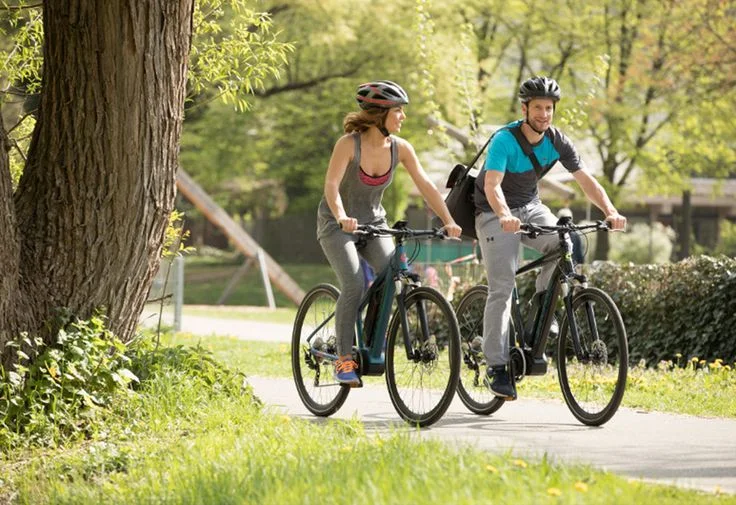
Electric bikes have ended up an effective and imaginative arrangement to diminish contamination in urban ranges. In today’s urban way of life, where activity, brown haze and fuel utilisation are continually expanding, e-scooters give a clean, effective and ecologically neighbourly elective. These vehicles create zero tailpipe emanations, meaning they do not radiate destructive gases such as carbon dioxide, nitrogen oxides and particulate matter. These are poisons that extremely debase, debase quality, make brown haze and advance respiratory diseases.
Electric bikes are particularly perfect for short-distance travel, and as thousands of individuals begin utilising e-scooters instead of cars for brief trips, the by-and-large carbon impression is altogether diminished. It also diminishes the weight on climate change, controls activity clogs, and diminishes pointless fuel burning in the city. The result? A more beneficial, cleaner, calmer, and long-term economical urban environment that benefits everyone.
Key Ways Electric Bikes Diminish Pollution
1. Zero Tailpipe Emissions
Electric bicycles convey totally zero tailpipe surges since they run on rechargeable batteries instead of fossil fuels. When a vehicle runs on petrol or diesel, it transmits carbon dioxide, nitrogen oxides and destructive particles into the environment. These gases are not, as it were, to hurt the environment but to contribute to exhaust clouds, climate change and major respiratory issues. Electric bikes dispose of all these emanations, subsequently essentially progressing to discuss quality.
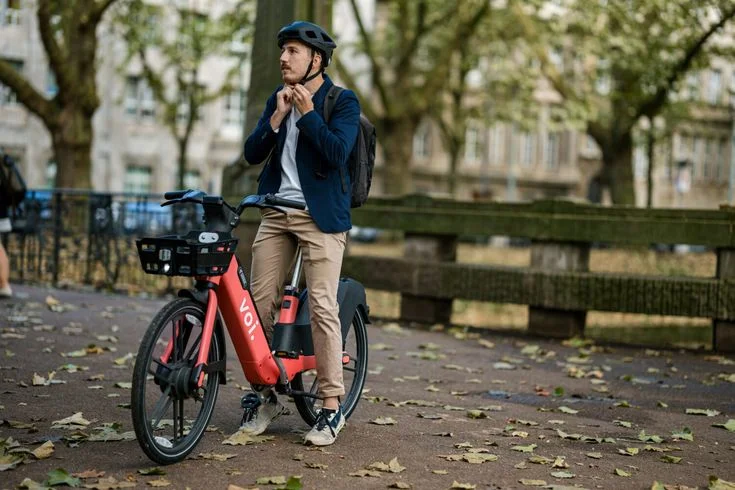
In urban ranges with overwhelming car and bicycle activity, the zero-smoke operation of e-scooters is a game-changer for the environment. They give a clean, calm and pollution-free portability choice that plays a solid part in accomplishing urban supportability goals.
2. Moo Carbon Footprint
Electric bikes are an exceptionally compelling way to decrease carbon footprint, particularly in cities where individuals utilise cars pointlessly for brief trips. When an individual chooses an electric bike over a car, the CO₂ outflows from that trip are straightforwardly anticipated. Carbon dioxide is a major supporter of climate change, and the transportation segment is a major source of this issue. The lightweight plan of e-scooters and the utilisation of electric control incredibly diminish CO₂ yield.
Indeed, if the power network is somewhat based on fossil fuels, the carbon footprint of e-scooters is still much lower than that of conventional vehicles. When individuals receive e-scooters for brief trips, critical errands, office trips and everyday schedules, urban carbon levels are altogether diminished. In the long term, this makes a climate-friendly lifestyle.
3. Activity Clog is a Problem.
Electric bikes play a similarly vital part in lessening activity blockage. The primary reason for blockage in urban ranges is that individuals utilise huge cars, which involve a huge portion of the street, indeed for brief trips. Electric bikes are compact, effortlessly flexible in contract lanes and require exceptionally small stopping space. When thousands of individuals switch to bikes for short-distance rides, the streets actually begin to clear up.
Activity jams are diminished, which has the coordinate natural advantage of decreasing the sit-still time of fuel-based vehicles. When vehicles do not run persistently at signals or in activity jams, the exhaust transmitted by them is, moreover, altogether diminished. Such e-scooters bolster smooth, quick and clean activity flow.
4. Progressing Open Health
Clean discussion has a coordinated positive effect on open wellbeing, and electric bikes play a solid part in accomplishing this enhancement. When destructive poisons such as NOx, CO₂ and particulate matter are diminished, the hazard of respiratory maladies is consequently decreased. Contaminated discussion in urban regions is a major cause of asthma, hypersensitivities, lung diseases and heart issues.
E-scooters are discussed as being high quality, steady and solid with zero emanations. Besides, diminished activity blockage also diminishes clamour contamination, which decreases the chance of mental push and cerebral pains. The long-term advantage of clean discussion is that children, the elderly and delicate individuals can appreciate a more beneficial life. When cities embrace electric versatility, their open wellbeing record normally improves.
5. Back for Clean Energy
Electric bikes give solid bolster for the clean vitality move, as they can be charged with solar, wind, or hydropower. Charging with renewable power implies nearly zero carbon emanations, which play a key part in controlling climate change. Compared to petrol vehicles, where fuel extraction and burning harm the environment, e-scooters offer a clean and green arrangement. Renewable-powered charging stations in cities create a feasible framework and guarantee a pollution-free urban environment in the long term.
Key Points:
- Renewable vitality charge → nearly zero emissions
- Reduced carbon footprint leads to climate-friendly commuting.
- Sustainable urban foundations are advancing.
- Eco-friendly compared to petrol vehicles
- Long-term natural benefits for future generations
Challenges and Future Prospects
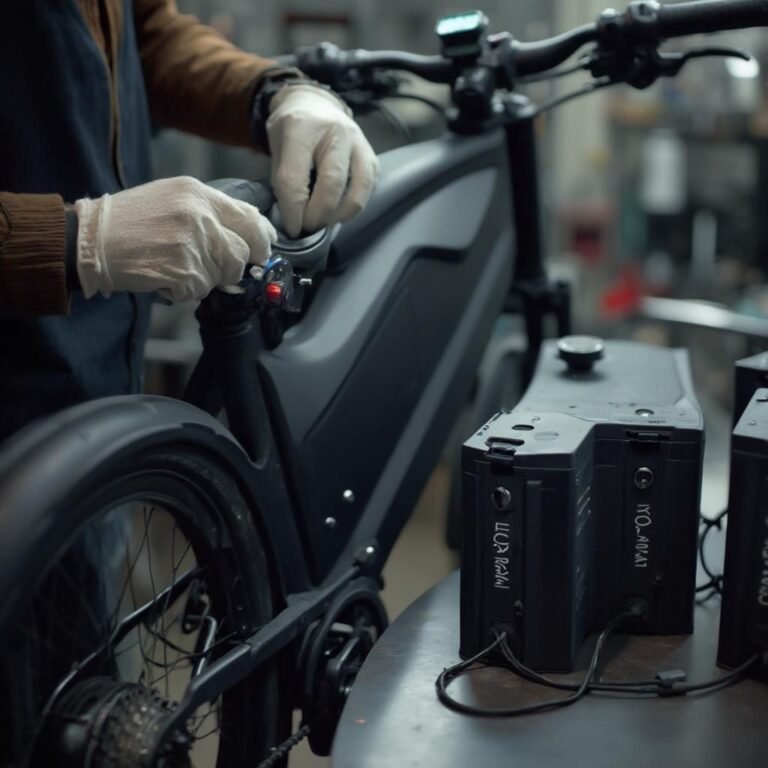
There are a few challenges related to the appropriation of electric bikes, but their potential is exceptionally promising. The greatest challenge is the charging framework. Charging stations are not accessible in each zone of cities, which forces confinements on long-distance travel. Battery innovation is always progressing, but it is still vital to make strides in life expectancy. Support and introductory posture, moreover, fetched an obstruction for a few clients. Security and mindfulness of activity rules are too critical, as the coexistence of different vehicles on urban streets increases the chance of accidents.
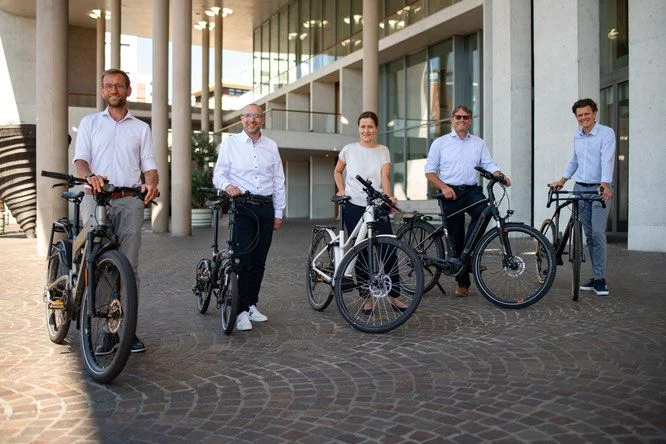
But the future viewpoint is exceptionally shining. With the integration of battery innovation and renewable vitality, e-scooters will end up more proficient, solid and maintainable. Shared versatility and government motivating forces will encourage increment appropriation. If urban organisers and policymakers back this drift, the carbon footprint of cities can be essentially decreased, contamination can be controlled, and a future of economical urban transport can be secured.
Conclusion
Electric bikes are demonstrating to be profoundly viable and inventive arrangements to diminish discussion contamination in urban ranges. Variables such as zero tailpipe outflows, decreased carbon impression, decreased activity blockage, moved forward open wellbeing and bolstered clean vitality make e-scooters more naturally inviting than conventional petrol vehicles. They are perfect for short-distance travel and make ordinary urban travel effective, calm and economical. Challenges such as charging framework, battery run, introductory fetch and security mindfulness are still a few of the deterrents but are slowly being tended to through mechanical enhancements and government incentives.
Shared portability programmes and renewable vitality integration advance the selection of portability, empowering long-term supportability and cleaner cities. If cities and citizens embrace e-scooters, discussing quality will progress, carbon emanations will be decreased, and a pollution-free and solid urban environment will be guaranteed for future eras.