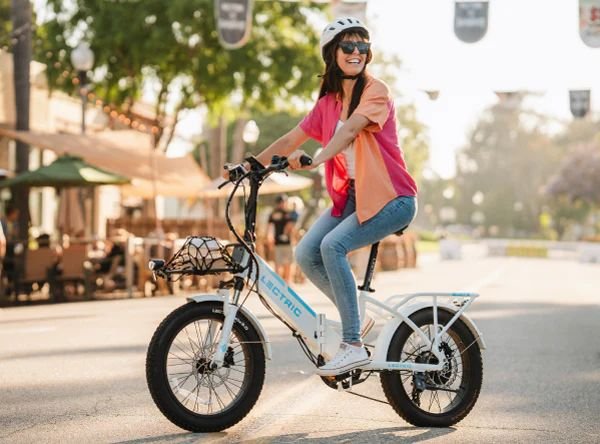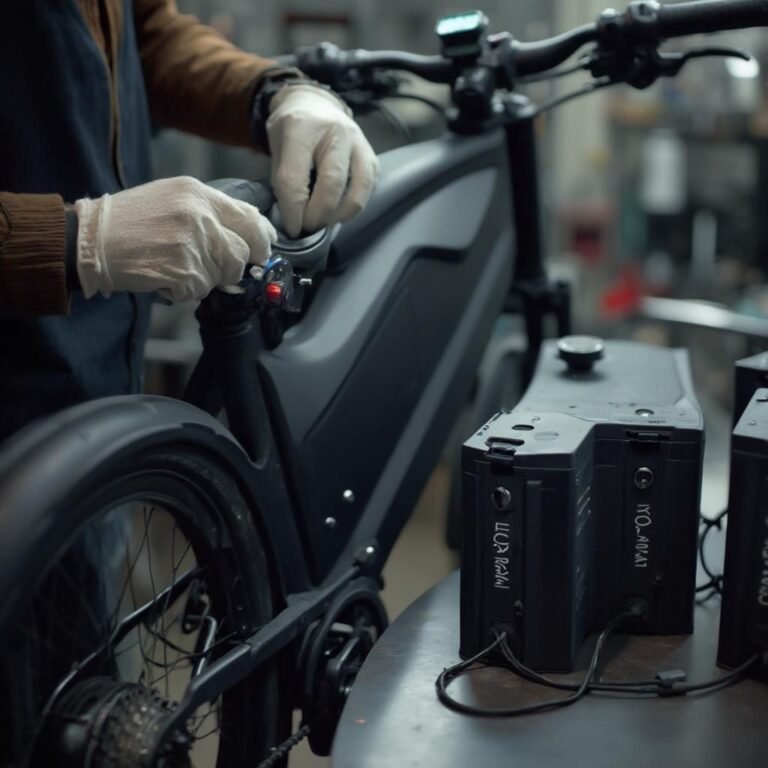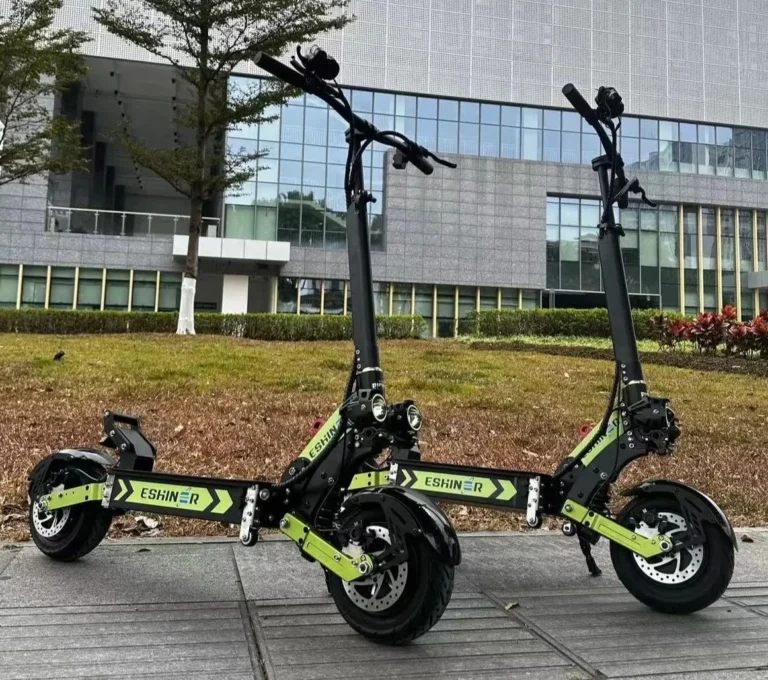
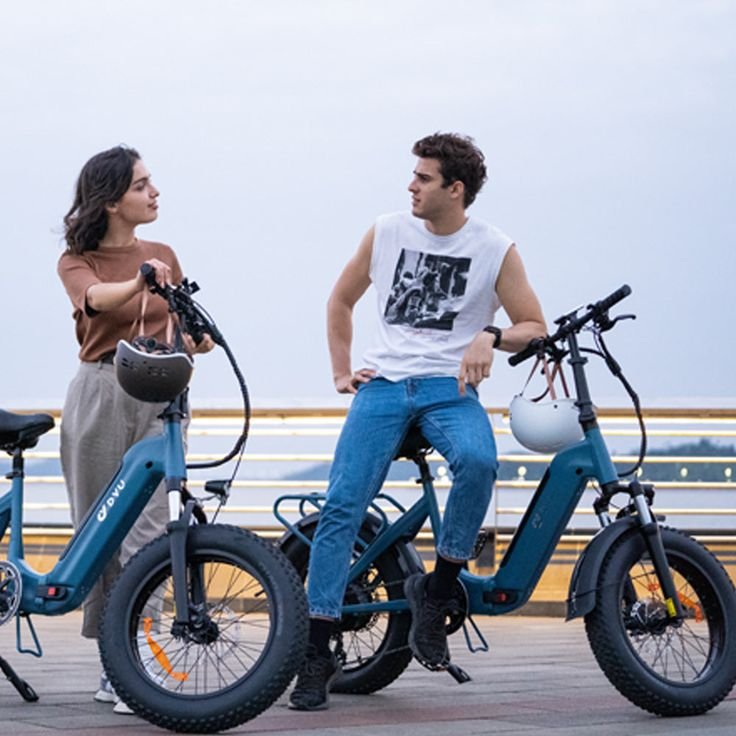
Electric bike or scooter construction or refurbishing is a thrilling undertaking that is creative, engineering-wise, and sustainable. And the motor is the dying heart of your machine; among all the parts you select. It establishes the speed at which your ride accelerates, the amount of weight you can carry and the duration that your ride can last before overheating. The choice of the correct motor can make an ordinary frame a robust, comfortable, and efficient electric car.
The Motor’s Purpose and Power
The main role of the motor is to change electrical energy into motion. In layman terms, it can be explained as a conversion of power stored in your battery into a torque that spins your wheels. Not even every motor works in the same way. One is built to ride silently through urban areas, and the other is built to climb aggressively off-road. The interactions between the motor and your driving mechanism, battery, and controller determine the general behavior of your electric bike or scooter. Making a good decision would entail trading off speed and torque versus weight and efficiency.

Hub Motors Explained
Hub motors are the most popular options used in electric bikes and scooters since they are small and suitable to install. They slide directly into the hub of the wheel either the front or back wheel and either push or pull the vehicle. They are easy to use and therefore suit beginners or casual riders that wish to have an easy time in converting them.
Hub motors do not produce noise, and they need very little maintenance as there are fewer moving components. They are, however, not so efficient in climbing hills as they do not utilize gears to multiply the torque. A hub motor is the best compromise of convenience and reliability when your everyday commute has easy roads and moderate slopes.
Mid-Drive Motors Performance
The mid-drive motors are installed in the center of the bike frame or scooter deck to provide a more natural ride. These motors drive the chain or belt system which will enable the vehicle to make better use of its gears in terms of torque distribution. They are used among the riders who require good climbing skills or those who ride around rough or steep areas.
Mid-drive systems are more effective as they will have the ability to maintain the motor within its optimum power range, no matter what speed. Nevertheless, they need to be more maintained and may cause faster wear out of the drivetrain parts. Mid-drive systems usually are chosen by riders who want balance and performance, even though they are expensive and harder and more expensive to install.
Matching Power to Purpose
The greatest consideration when choosing your motor should be your purpose in riding. The motor power is given in the form of waste, and this is the amount of energy the motor can provide. A 250- to 500-watt motor can be used to ride about with light cargo, over smooth, urban terrain. Steep hills, faster rides or heavier riders should have motors of 750 to 1000 watts.
The greater the wage, the greater the acceleration and the highest speed and, the greater the current it consumes by the battery. This decreases the range unless you increase the battery capacity. Balanced system refers to the adjusting of your power level by matching it to your intended location and type of riding.
Torque and Real-world Strength
Most entry level riders are concerned about the wattage, but the way the bike/scooter rides is determined by torque. Torque will dictate the ease of getting your ride going, ascending a hill, or the ability to haul additional weight. A motor with a lower wage may feel strong even when it has a good torque. As an example, a 500-watt mid-drive motor with high torque can make it in hilly roads more than 750-watt hub motor. The greater the torque rating, the more you are sure of a smooth and powerful acceleration. This aspect is necessary when the rider is heavy or when he or she intends to ride where conditions are difficult.
Voltage and System Compatibility
Your battery and controller should be equal to your voltage of your motor. Any lack of fitness may result in overheating, inefficiency or failure of a component. The most widespread systems are 36V, 48 V, and 72 V systems, with variable levels of performance. A 36V system is efficient in shorter commutes and moderate speeds, whereas 48V or 72 V system is speedier and more capable of climbing. The dependence on voltage/power output is simple, the higher the voltage, the higher the possible speed and efficiency. Nonetheless, the increase in voltage demands also heavier cables, improved heat transfer, and compatible electronics.

Productivity and Thermodynamics
The efficiency of a motor dictates its capability in converting the battery power into motion without wasting energy in the form of heat. Inefficient motors will cause quick battery depletion and be prone to overheating during extended rides. Good motors are developed to have improved energy loss because of the lots of good magnets, copper winding, and cooling systems.
More efficient motors also increase the battery life since less current is required to run the same performance. In making a comparison, seek out efficiency ratings or reviews where temperature stability is stated as being present with extended use. It is best to select a motor that has high heat dissipation to maintain consistency in its operation particularly in hot weather or when it is being ridden heavily.
Motor Placement and Balance
The position of your motor will have an impact on power delivery, and comfort and handling. Installation is easy with a front-hub motor though it can lead to traction problems when on slippery surfaces. Having a rear-hub motor enhances grip and balance which accelerates in a smoother way.
Mid-drive motors have the most instinctive center of gravity that improve stability and cornering. Placement will be right based on your frame design and riding style. In the case of scooters, rear-mounted motors are the most popular as they are in line with the primary weight distribution, which would help to have superior control and balance of braking.
Frame Strength and Safety
Whatever strong motor you have, it is important to ensure that it is mounted on a frame that is strong enough to support it. High torque motors cause excessive strain on joints, dropouts and suspension systems. When you are changing an old bike, you should also ensure that the frame is strengthened, particularly in the area of the motor mount.
Moderate motors can be used on aluminum frames, however, steel or chromoly frames are preferable in high-power builds. Thin deck scooters or those with weak joints must not be used at higher motor ratings that are recommended since excess power may affect the safety of the scooter. Appropriate torque arms, safe mounts, and sound brakes are needed in case of increasing the motor output.
Battery and Controller Selection
Whatever powers your motor is as good as that power system. The controller is in charge of the current flow, and the battery will tell you how long you will be able to ride before you have to re-charge it. The poor-quality battery can be overheated or run out of charge and a weak controller can restrict motor performance. Ideally, you are supposed to choose all three parts motor, controller, and battery as a combination. As an example, a motor of 48 V 750 W should be matched with a controller which can also work with 48 V and with at least 20 A output, coupled with a battery which can safely work with such load.
Noise, Smoothness, and Ride Feeling
Various types of motors give rise to varying sounds and sensations. There are even hub motors that are almost silent which makes the ride peaceful and smooth. Other ones produce a low whine that may at higher speeds be more pronounced. A mid-drive that is slightly louder is acceptable as it provides a higher level of control and performance when riding off-road or when performance is required. The riding experience must be in line with your preference on comfort and environment.
Reliability and Maintenance
Long-term care is also another way to think about the selection of a motor. The general care of hub motors is low-maintenance, whereas the mid-drive motors must have chain and gear checks on a regular basis. Now common to the majority of e-bikes and scooters, brushless DC motors are durable and efficient, and have fewer internal components which wear out. But when the motor housing is not well sealed, then there is a possibility of moisture or dust impairing performance. Check the motors, the motors must have the right waterproof rating as well as parts available. Popular brands can typically be replaced and supported by the community and that will come in handy in case you require troubleshooting or repairs.
Pricing and Quality Issues
The e-mobility market in 2025 will be available with motors of all budgets, with basic models that are used to get to work, and high-quality ones that have sophisticated controllers and other features. Although it is easy to take the cheapest model, cheap motors will tend to compromise on copper quality, heat protection and bearings. An engine with good physique may be expensive in the short-term, but it will be reliable and economical in the long-term. Good brands also have warranty and improved customer service which minimizes the risk of defects. Specifications, reviews and warranties are what can make you find the best balance between the price and performance of each motor.
The Significance of Components Matching
A selected motor should be compatible with the rest of the components of your system. The issues caused by power imbalances might include sudden acceleration, low braking regeneration, or controller overheating. The battery, controller, throttle, and the wiring of each component must be equal to the rated voltage and current of the motor. The use of correct connectors and maintenance of cables ensures that power is not lost or that there are no short circuits. A well-balanced installation is responsive, silent, and secure whereas an imbalanced one may result in asymmetrical operation or premature fatigue. A solid design should always be a system and not just the motor.
Examining and adjusting
After installing your motor, you must test it under different loads. Use medium throttle and check temperature, acceleration, and power consumption. In case of overheating the motor or the controller switches off, it could exceed the current carrying capacity of your system. Other contemporary controllers permit adjustment of parameters including current limits, speed controllers and regenerative braking. The settings can be adjusted to suit your particular terrain and your specific style of riding. The method of testing and calibration transforms a rudimentary frame into a fluid, efficient electric ride.

Conclusion
The selection of the appropriate motor for your e-bike or scooter is science and art. It involves a tradeoff between power, torque, voltage and efficiency and your own riding habits and safety requirements. The most powerful motor is not always the best, the one providing steady, stable and desirable performance is the best engine. The choice you have to make between a hub or mid-drive system depends on quality, compatibility, and durability. A combination of all these elements makes your ride on electricity not just a mode of transport but a ride to freedom in a clean and intelligent electric vehicle.