

Electric bikes and scooters are a trend these days in every season. But when winter or stormy season comes, the greatest challenge is battery security and capacity. The battery is the heart of an e-bike, and it is vital to take appropriate care of it to keep up both execution and life. Destitute capacity propensities debilitate battery cells and lead to a diminish in capacity. Did you know that cold and humid air affects the chemical processes inside the battery? In this article, we will explain in detail how to store e-bike batteries during winter and rainy season to ensure that they remain safe, durable, and long-lasting.
Weather Effect
- Cold temperatures in the evening: In cold climate, the battery’s chemical response moderates down, diminishing both control and range.
- Moisture and rain harm: Over the top stickiness and water increment the chance of brief circuits and erosion which can harm the battery.
- Sensitivity of lithium-ion batteries: These batteries are more delicate to cold and stickiness, so uncommon care is necessary.
- The significance of a great capacity environment: Always store the battery at direct temperatures (15°C–25°C) to keep up steady performance.
- Long-term execution conservation tips: Dodge cold or damp areas and store the battery in a dry, secure, and secured place.
Perfect Capacity Temperature
The first rule for battery storage is moderate temperature. Not as cold or as well hot. In winter, if you put the battery outside in an open zone, it can solidify, which increments the inner resistance. Subsequently, the battery ought to continuously be put away inside where the temperature is steady. An environment of 20°C is ideal for the battery.
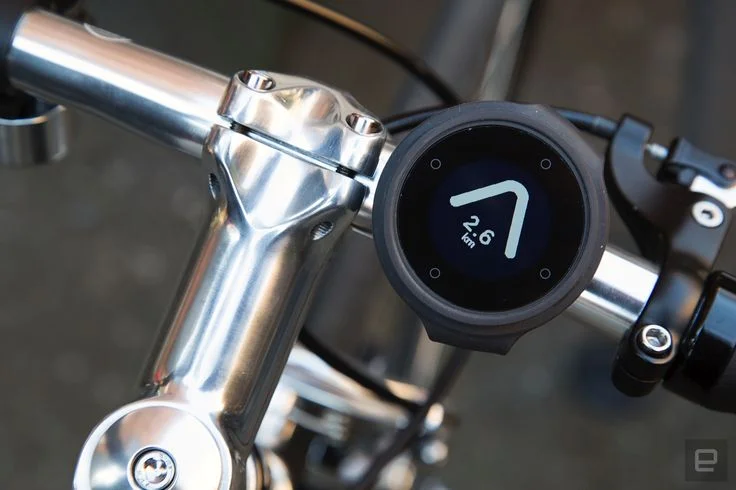
On blustery days, select a moisture-free put where there is discuss circulation but no water. Never put the battery straightforwardly on a metal surface, as this can influence the cells by retaining the cold. It is way better to put it on a plastic or wooden rack. Keeping up the right temperature can increment the battery life by 30-40% and keep the execution stable.
Store at a Partial Charge
Most individuals either completely charge or completely release a battery some time recently putting away it, which is an awful hone. The battery ought to continuously be kept at 50-60% charge. Putting it away at 100% charge will cause overvoltage push, whereas completely releasing it will cause profound releases and harm the cells. 50% charge is an adjusted state in which the voltage remains steady and the battery is in a secure state when sitting out of gear. If you are putting away the battery for a long time, do a little revive each 30-40 days to anticipate voltage drop. This little propensity jam the inner wellbeing of the battery and increments its lifespan.
Protect From Moisture
The greatest foe of winter battery capacity in a blustery climate is dampness. Water or dampness can cause erosion in the battery connectors and terminals, which straightforwardly influences execution. Continuously wrap the battery in a waterproof cover, and if conceivable, keep silica gel bundles to retain dampness. Make beyond any doubt the plug and attachment are dry when charging. If you store the e-bike in a carport, don’t ignore it to utilize a waterproof sheet or cover. Keep a key removed from charging the battery on a clammy surface. Standard cleaning is in addition fundamental to maintaining a strategic distance from clamminess. Carefully wipe the terminals with a dry cloth and check for any condensation. These little shields will keep your battery secure in the middle of whirling weather.
Separate Safely
If your bike or e-bike will not be utilized for a few weeks, it is best to pull back the winter battery. Taking off the battery associated with the bicycle causes parasitic depletion, which slowly diminishes the charge. After detaching, store the battery in a dry and secure put absent from coordinated daylight or rain. Be beyond any doubt to put elastic caps or defensive tape on the terminals to anticipate inadvertent brief circuits.
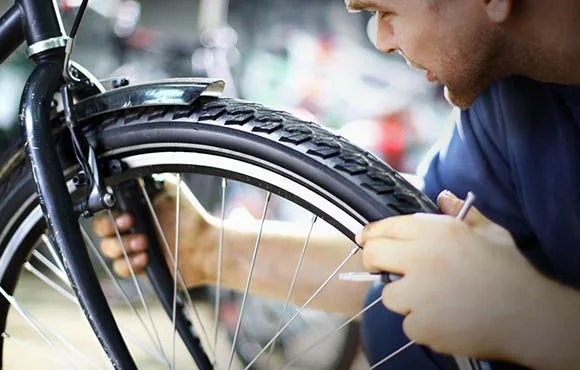
If you utilize a detachable battery, store it in a protective box or battery case. The capacity zone ought to have wind current but moo mugginess. This step may appear straightforward, but it is exceptionally compelling for long-term battery protection.
Regular Inspection
It is a mistake to disregard almost the winter battery after putting it away. It is imperative to review the winter battery each 3-4 weeks. To begin with, check the voltage, if it drops underneath 40%, energize it marginally. Check the terminals for signs of erosion or rust. If the connector feels free, delicately settle it. If the winter battery swells or has an abnormal scent amid capacity, appear it to a professional quickly. These signs demonstrate inside harm or chemical spillage. After each assessment, wipe the battery with a delicate cloth to evacuate tidy and dampness. This schedule checkup is a little exertion but goes a long way in keeping up the wellbeing of the battery.
Avoid Temperature Fluctuations
It is important to keep the winter battery in a steady environment. If you as often as possible move the battery from a cold put to a warm put, condensation may frame. This dampness is unsafe for the inner circuit. Hence, continuously keep the winter battery at a steady temperature. If you have to utilize the battery, to begin with, warm it to room temperature. Sudden presentation to warm causes the cells to grow, which is perilous for both execution and security. Due to cold weather, the battery voltage drops and the engine cannot give full control. Hence, pay consideration to temperature vacillations in expansion to capacity.
Key points:
- Continuously keep the winter battery in a steady temperature environment.
- Frequent moves between cold and warm ranges increment the hazard of condensation and moisture.
- Moisture is unsafe for inside circuits.
- Allow the winter battery to warm to room temperature some time recently.
- Sudden warm introduction causes cells to extend, which is perilous for both execution and safety.
- A cold begin causes the battery voltage to drop and the engine is incapable to provide full power.
- It is important to pay attention to storage and temperature transfer.
- Storing it in stable conditions improves battery performance and lifespan.
Use Smart Charging Tools
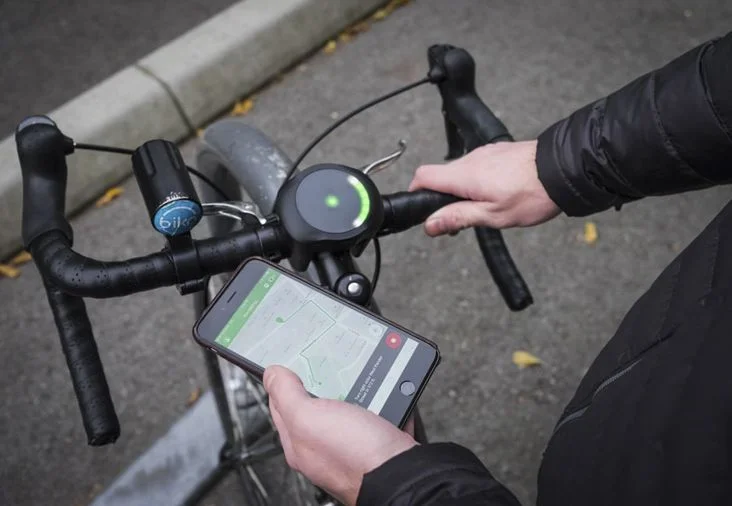
Smart chargers and monitoring devices are available these days that track battery voltage and temperature in real time. Using these tools is very helpful in winter battery storage. Smart chargers automatically cut off the supply when the battery is overcharged. Some devices provide alerts if the voltage goes low or high. These frameworks are particularly great for those who do not utilize their e-bike day by day. Observing lets you know almost the condition of the battery and when it needs to be recharged. This smart technology improves both battery protection and performance.
Conclusion
Proper capacity of your e-bike battery amid winter and blustery seasons is the trademark of a savvy rider. Cold, mugginess, and destitute charging propensities are the greatest adversaries of a battery. If you keep up a direct temperature, halfway charge, and moisture-free environment, your winter battery will last longer. Disengaging, customary reviews, and utilizing keen checking devices are too fundamental for long-term execution. With these little steps, you can not as it were to increment the life of your battery by up to 40%, but to guarantee security and unwavering quality. It is imperative for each rider to get it that a winter battery is a venture, and as it were with appropriate care will it donate the best comes about in future rides.